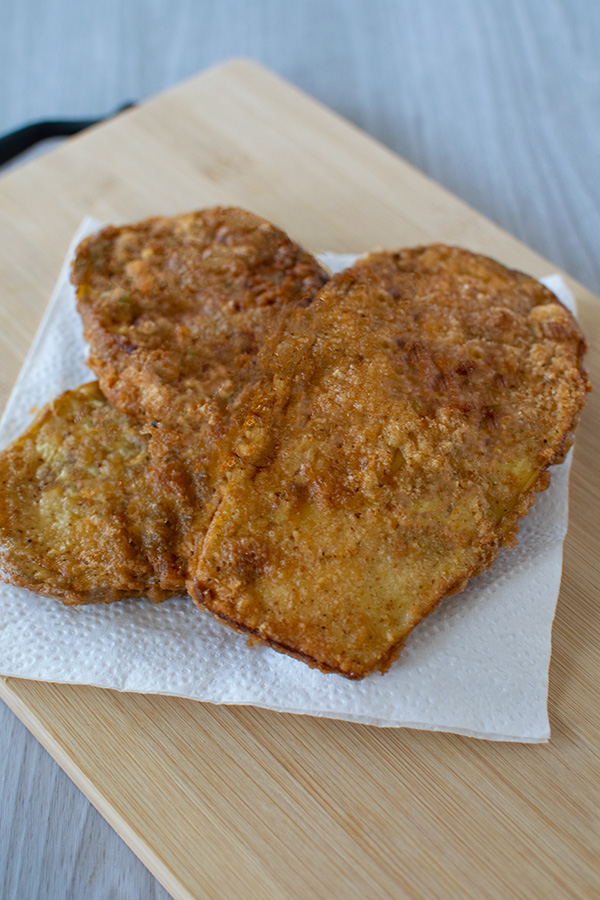
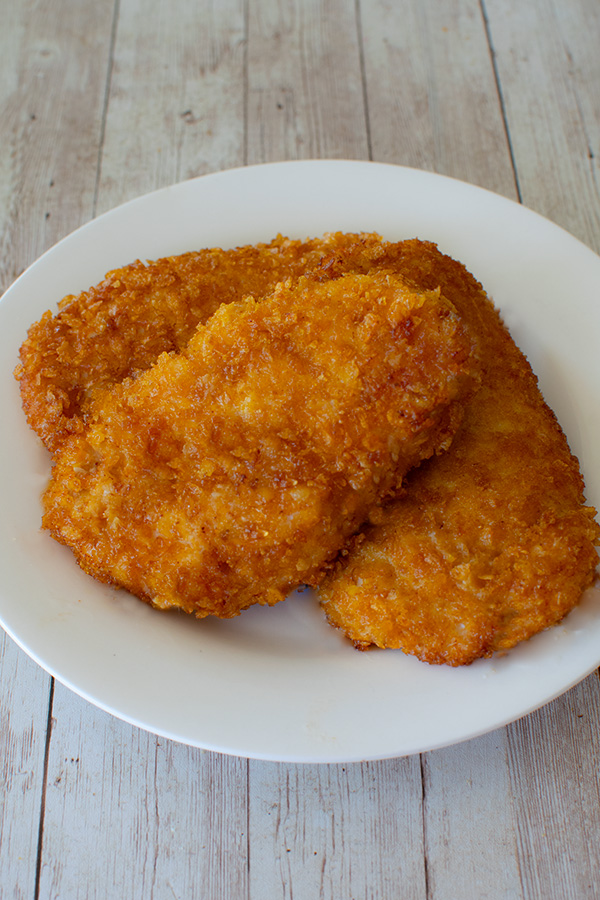
Easy Fried Breaded Zucchini is a simple, 3-ingredient, dairy-free recipe for crispy breaded zucchini slices fried to a perfect golden brown.
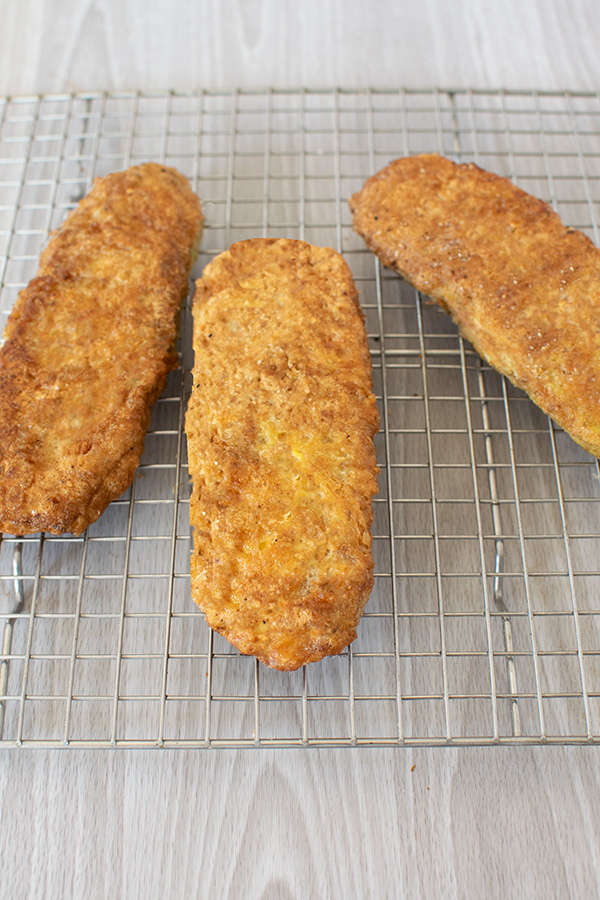
This easy fried breaded zucchini recipe uses only three core ingredients-zucchini, breadcrumbs, and egg. Then, simply season to taste and fry until it's a crunchy golden brown.
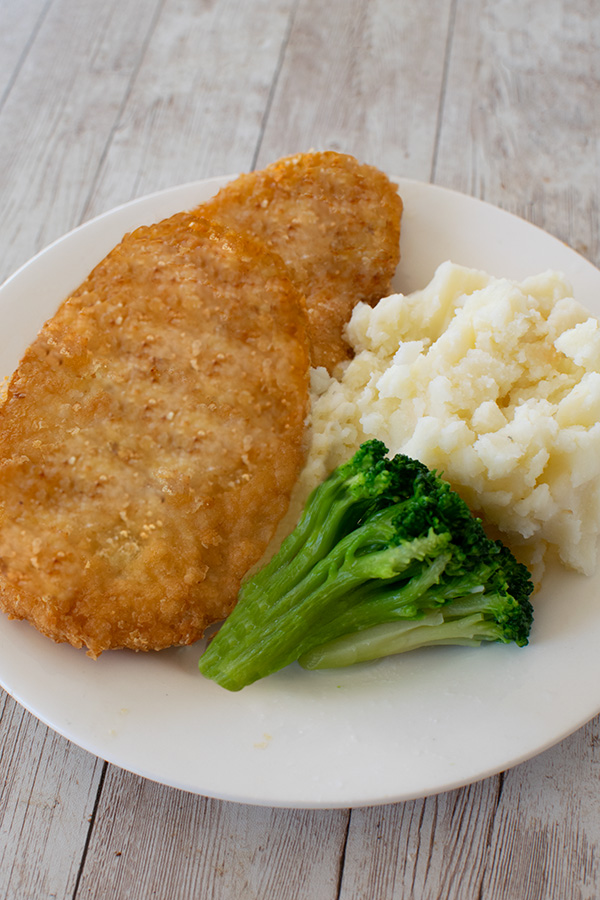
Whether served as a delicious side, a crispy appetizer, or used as a flavorful pita filler, this dish is simple and delicious.
Enjoy it freshly made, or store it in the refrigerator to reheat in the oven for a quick snack or meal.
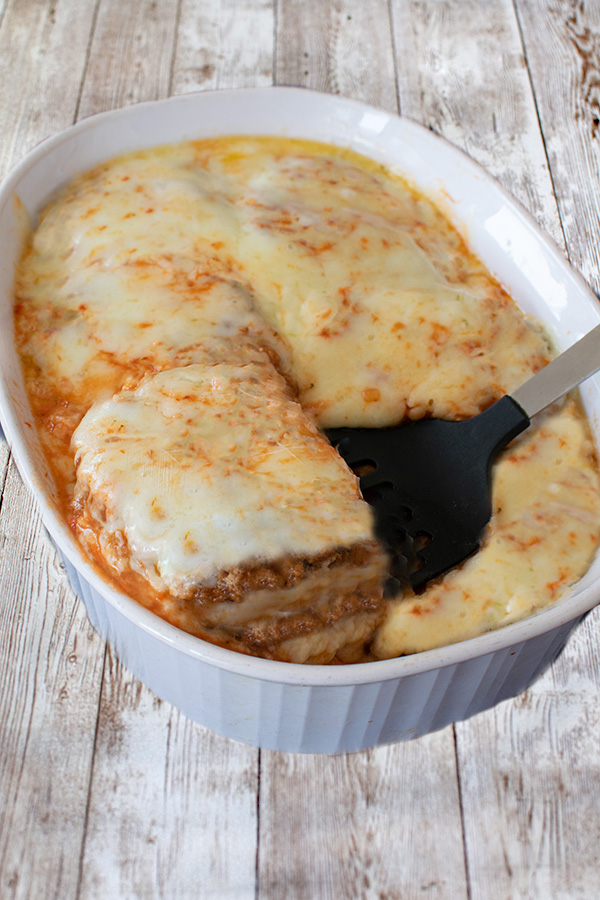
And it's the perfect base for homemade Zucchini Parmesan!
General cooking info and terms:
What are the different oils used in cooking?
"High-heat" oils have neutral flavors and have been processed in order to handle high temperatures and are good for sautéing, searing, and frying. These include canola oil, vegetable oil, avocado oil, and grapeseed oil, each with its own "best for" with chefs.
Some oils have their own flavor and are good for sautéing and roasting and add a little extra to the dish. These include extra virgin olive oil, coconut oil, and peanut oil. Extra virgin olive oil works well for roasting or sautéing but not for deep frying.
Coconut oil is good in dishes where a slightly coconut flavor enhances the dish, and peanut oil is good for deep frying and will add a subtle nutty taste and smell. Many Asian dishes call for peanut oil in the ingredients.
Then there are oils that are not used with heat but rather for dressing up foods, such as sesame oil, flaxseed oil, and walnut oil, among others.
What does it mean when recipes say "to taste" about an ingredient?
When recipes say "to taste," it means that you can put in as little or as much as you like to your own taste. Some recipes have many ingredients that a cook can adjust to their own taste when cooking (not so much when baking, though).
The best way to calculate what your taste is with a recipe that you are not yet familiar with is to first taste the dish and then add the "to taste" ingredient GRADUALLY, a little at a time-a splash of this or a pinch of that-until the dish is just the way you like it.
Make sure to stir the ingredient after each time you add it so that the flavor will distribute evenly and become part of the dish. Then taste again. Repeat until you reach your personal preference.
Note: If you plan on using the recipe again, it is highly recommended to make a note of what and how much you added so that you can refer to it next time.
What does it mean when a recipe says that an ingredient is "optional"?
If an ingredient is "optional," it means that you can add it in or not based on your own preference. An optional ingredient can be flavor-related (i.e., salty, sweet, spicy, etc.), appearance-related (garnish), or even something like nuts or chocolate chips in baking.
Some cooking measurement terms:
Drop - ¹/₆₄ teaspoon (or less-it's however a literal drop comes out)
Smidgen - ¹/₃₂ teaspoon
Pinch - ¹⁄₁₆ teaspoon (what you can grab between your finger and thumb)
Dash - ⅛ teaspoon (what comes out when you shake out of a shaker or bottle)
Tad - ¼ teaspoon
Dollop-a glob on a spoon (like with mayonnaise or ice cream)
Scant-a scant cup is almost a cup, just below the line.
Heaping-above the line of the spoon (teaspoon, tablespoon)
Frequently Asked Questions (FAQs)
Can I bake these instead of frying them?
Yes. For a lighter version, place the breaded zucchini slices on a parchment-lined baking sheet, spray lightly with oil, and bake at 400°F (200°C) for 15-20 minutes, flipping halfway through, until golden and crispy.
How do I keep the breading from falling off?
Make sure the zucchini slices are patted very dry with a paper towel before dipping them in the egg. Press the breadcrumbs firmly onto the zucchini to ensure they adhere well during the frying process.
What are the best breadcrumbs to use?
You can use any breadcrumbs you like, plain or seasoned.
Can I make these ahead of time?
Absolutely. You can fry them in advance and store them in the refrigerator for up to 3 days. To reheat and restore their crunch, place them in a preheated oven or toaster oven at 375°F (190°C) for about 8-10 minutes. Or you can refry in a little oil.
Are these gluten-free?
To make it gluten-free, swap the standard breadcrumbs for your favorite gluten-free breadcrumb alternative.
A little about zucchini
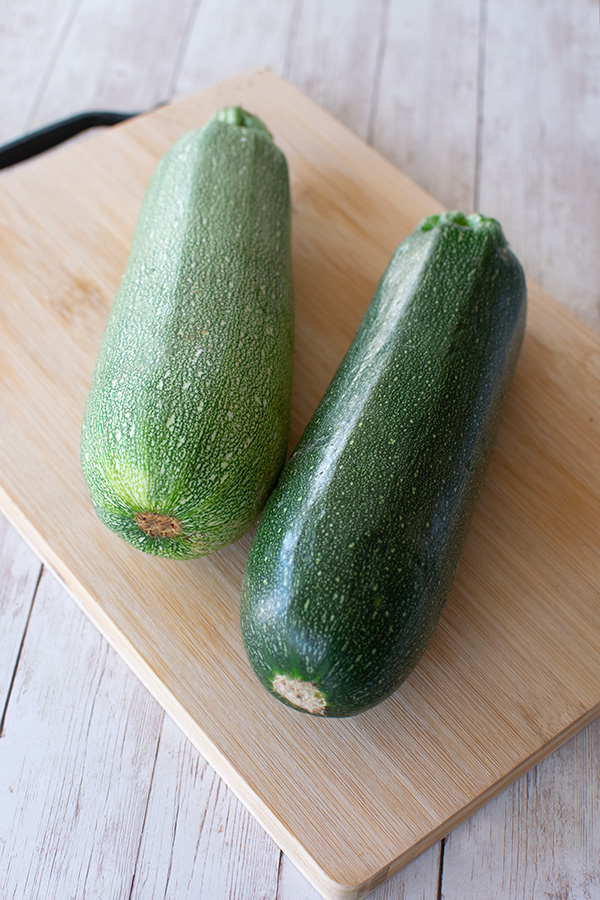
Zucchini is a type of summer squash.
The name "zucchini" is used in the United States, Canada, Australia, and New Zealand. However, in some other countries, such as Britain, Holland, and Malaysia, the term for this squash is "courgette," taken from the French.
Like other types of squash, zucchini can be used in a variety of dishes. It can be fried, baked, broiled, breaded, etc. It can be sliced the long way to prepare a dish or as disks.
Zucchinis contain vitamins and nutrients and are low in calories.
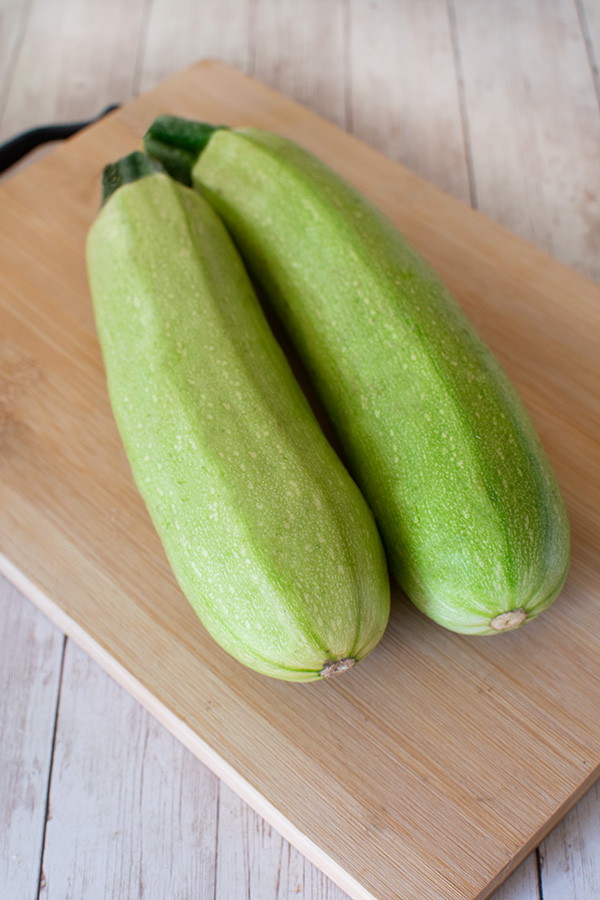
There are over a dozen types of zucchini. I personally use the dark green zucchini (All Green Bush Zucchini) or the fatter, light green (Magda) zucchini. The dark green zucchini tends to be slightly bitter compared to the light green.
What is needed to make this easy fried zucchini recipe?
I hardly ever meal plan, so I like to keep a cupboard full of seasonings, spices, veggies, and canned goods in my kitchen to use whenever the mood strikes.
But these are all you need to have on hand to make this recipe!
zucchini
eggs
bread crumbs, seasoned or plain
salt or other seasonings, optional, as desired
(oil for frying)
And here is a great way to use this recipe!
Like fried foods? Try these!
Easy Fried Breaded Zucchini Recipe
Breaded Zuccini fried to a delicious and crispy golden brown.
Ingredients
- 3 large zucchini
- 6-8 eggs (start with 6, add more if needed)
- 2-3 cups bread crumbs, seasoned or plain (start with 2 cups, add more if needed)*
- add salt or other seasonings, optional, as desired for additional flavor
- oil for frying
Instructions
- Heat oil in a large frying pan on medium heat (approximately ¼" - ⅓" high).
- Peel the zucchini (or leave the skin on, if so desired—I leave the skin) and cut off the ends.
- Slice zucchini into slices of approximately ½" wide, lengthwise.
- Pour eggs and bread crumbs into separate bowls large enough to accommodate dipping the zucchini slices.
- Add salt or other spices to the egg and beat.
- Dip each slice into egg, then bread crumbs, then egg again, making sure the slices are well coated.**
- Place in pan and fry one side until golden brown.
- Flip and fry on the other side until golden brown (you should be able to easily stick a fork through when they are ready).
- Remove and place on a plate covered with paper towels to drain.
Notes
*Using seasoned breadcrumbs will provide more flavor. If you use plain breadcrumbs, you might want to add your own seasonings. I don't add anything, and they fly off the plate, warm and crispy.
**Many people only use one coat of egg and do not redip after the breadcrumbs, but I make them this way.
Additional note: The amount of eggs and breadcrumbs you will need depends on how well you coat. That is why I write a range of amounts for both. Chances are you will be left with some extra, but having a nice amount allows for easier coating and starting with a smaller amount, and having more at the ready to add if needed helps prevent waste.
Nutrition Information:
Yield:
6Serving Size:
1Amount Per Serving: Calories: 568Total Fat: 15gSaturated Fat: 4gTrans Fat: 0gUnsaturated Fat: 9gCholesterol: 248mgSodium: 987mgCarbohydrates: 83gFiber: 7gSugar: 10gProtein: 25g